Teen Travel at CBI
Have Values, Will Travel…
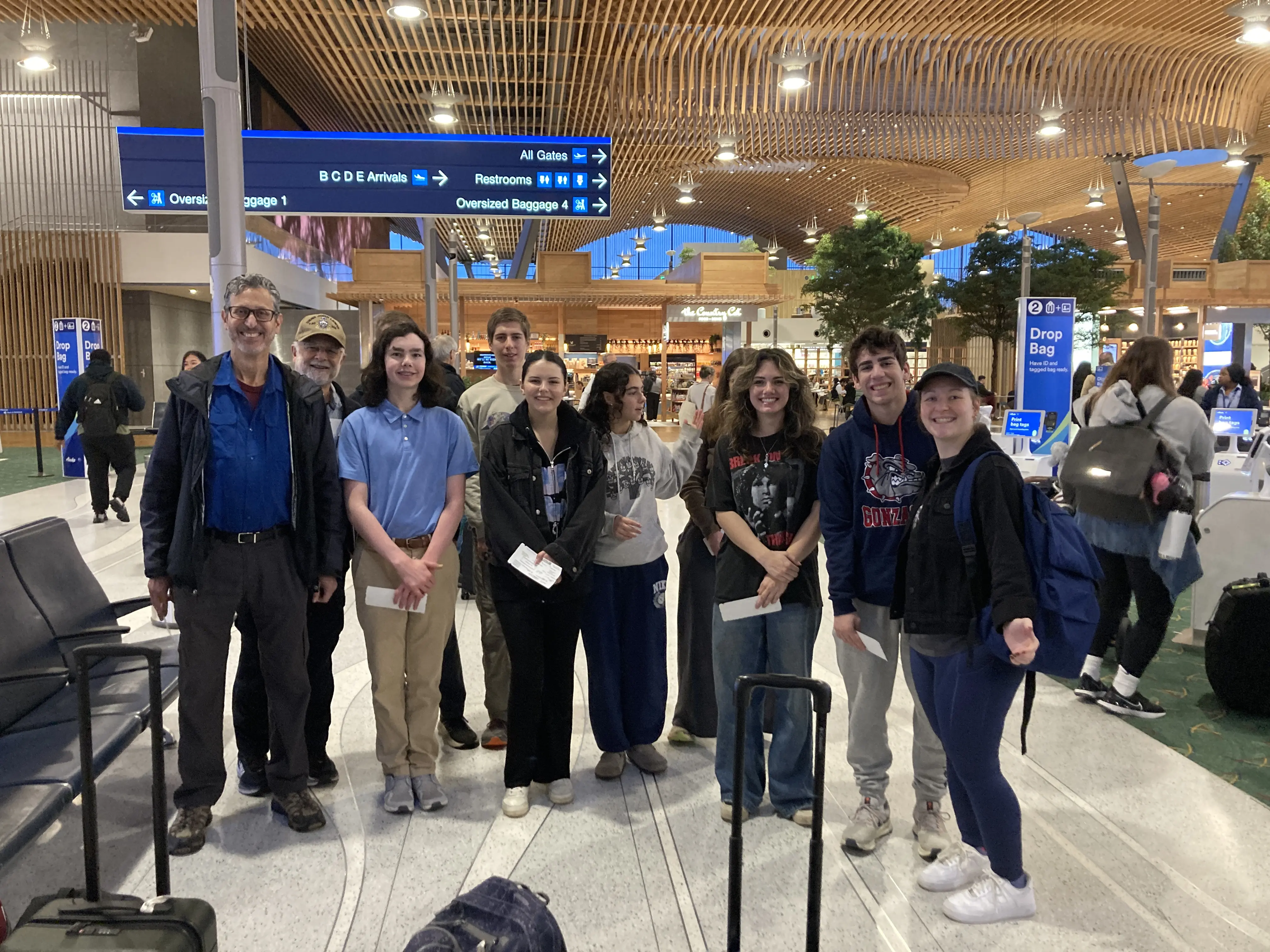
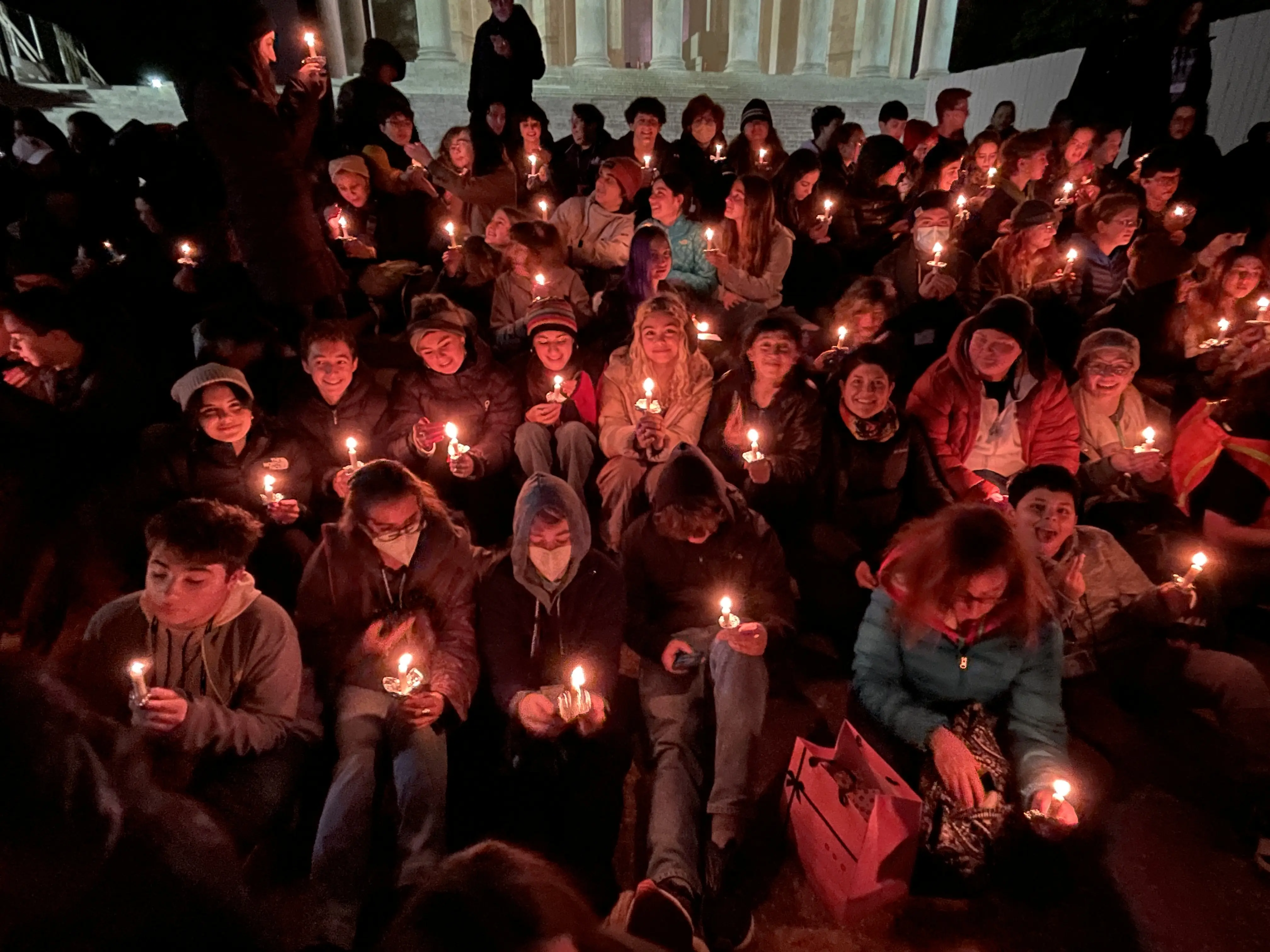
Once they hit High School, CBI teens (Religious School students and unenrolled teens alike) have the chance to pack their bags, stay up way too late bonding, and put their ethics into action with social justice-focused trips across the nation. Our CBI clergy, staff, and expert lay leaders (in conjunction with organizations like the Religious Action Center and Tzedek America ) arrange these life changing adventures each year for students in grades eight through twelve. While the destinations change each year, the community service and community building does not.
Recent years have seen our students
- Learning about immigrant justice at the Arizona/Mexico border
- Investigating Jewish history and impact in New York City
- Exploring wraparound support for unhoused communities in Los Angeles
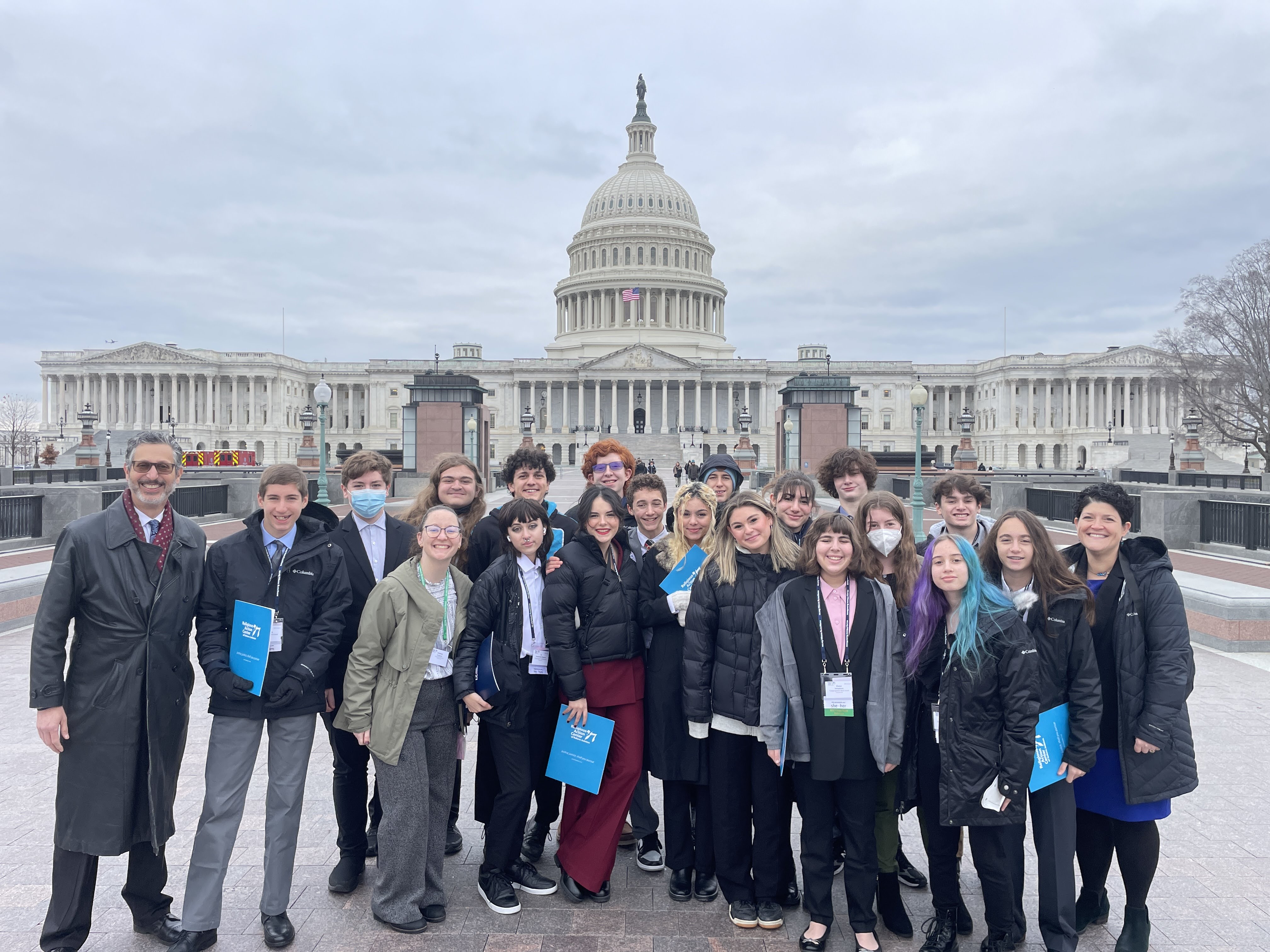
- Lobbying their congressional representatives in Washington, DC
- Pursuing environmental activism in San Francisco
- and honoring historical struggles and ongoing work toward civil rights in Alabama and Mississippi.
Finances should never be a barrier for CBI members and families who are investing in their child’s Jewish education. With the generous support of the Roscoe and Debra Nelson and the Rosenfeld Family, we are able to offer scholarship support to families in our social justice travel for teens. If you are interested in receiving scholarship, please indicate this when you enroll or .(JavaScript must be enabled to view this email address) to inquire.
Teen travel at CBI is open to all CBI teen members, regardless of their enrollment in Religious School programming.
Civil Rights Trip
For twelfth grade
Saturday, November 7 - Wednesday, November 11
$1,800 per student; click to register
Travel through the American South with CBI congregant and former civil rights attorney Ron Silver for a powerful, firsthand exploration of the Civil Rights Movement. Along the way, students will visit historic sites, hear from voices carrying this legacy forward, and engage deeply with the ongoing work of justice and equity. This meaningful journey challenges participants to connect past to present and challenges them and to consider their own role in shaping a more just future.
San Francisco Environmental Justice
For eighth and ninth grades
Friday, February 12 - Sunday, February 14
$1,800 per student; click to register
Explore Northern California through the lens of environmental justice with Tzedek America, where teens will engage with big questions at the intersection of land, community, and sustainability. Through guided hikes, farm-based learning, and meaningful conversations, students will examine how environmental policies impact marginalized communities while discovering the role of food justice in cultural resilience. Grounded in Jewish values, this immersive experience invites participants to deepen their connection to the earth—and to their responsibility to care for it.
L’taken in Washington, DC
for 10th and 11th Grades
Friday, February 19- Monday, February 22
Step into advocacy and make your voice heard at L’Taken, the Religious Action Center’s flagship teen social justice seminar. Over this dynamic weekend, students will explore pressing issues—from Israel to climate justice to civil rights—through a Jewish lens, then head to Capitol Hill to put their learning into action. A cornerstone of our 10th grade confirmation journey, L’Taken empowers teens to live their values and lead with purpose.
Registration for L’Taken is through The RAC, and is not yet open for this uear. If you are interested in receiving a form link, please .(JavaScript must be enabled to view this email address).